
Radiculopathy Back Pain
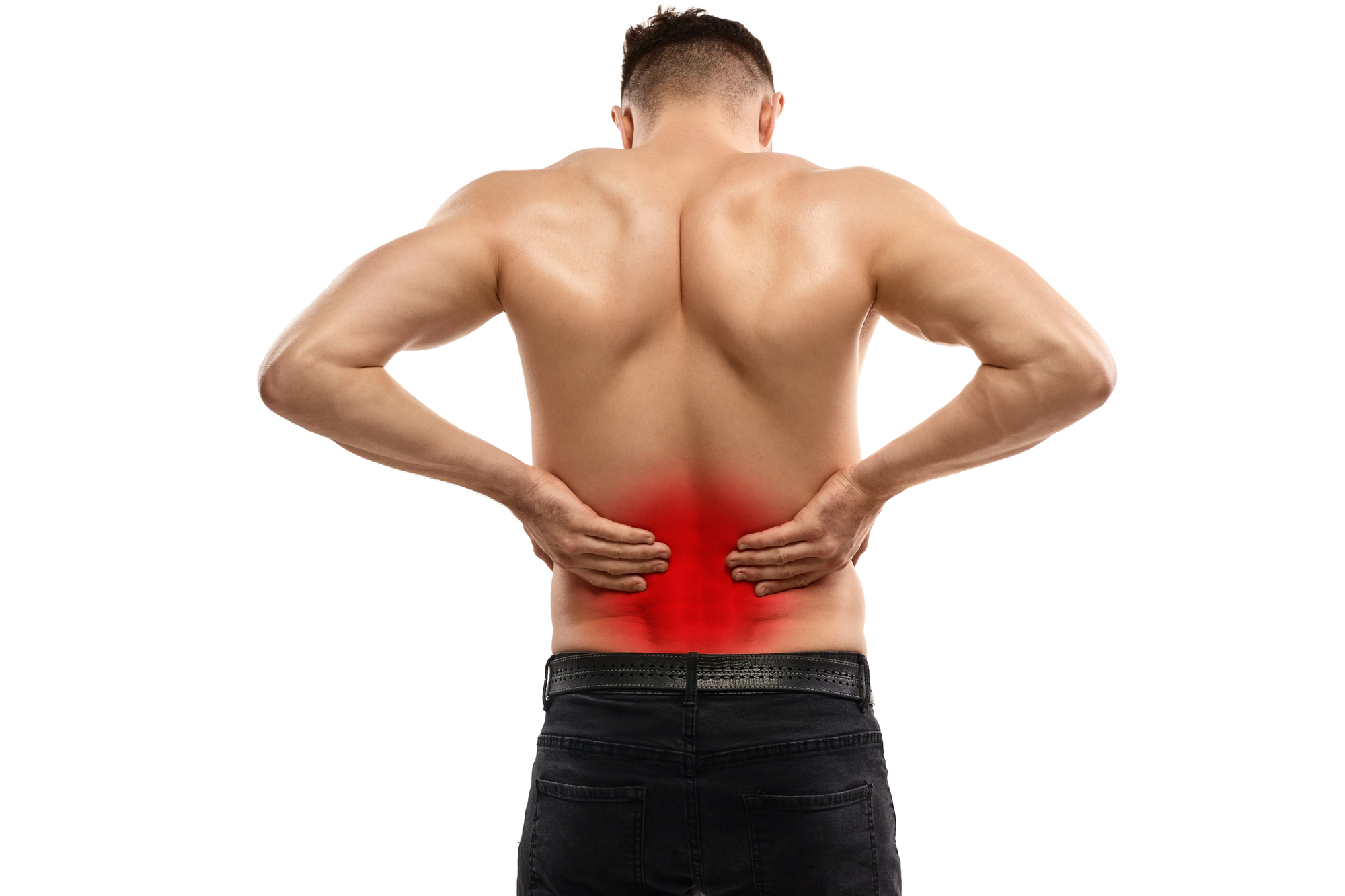
Radiculopathy is a condition that arises when a nerve root in the spine is compressed or irritated, leading to pain that radiates from the spine to other parts of the body. This pain, often referred to as "radiculopathy back pain," can significantly impact a person's quality of life and mobility.
What Causes Radiculopathy Back Pain?
Radiculopathy occurs when there is pressure on the nerve roots as they exit the spinal cord. This pressure can result from various conditions, including:
- Herniated Discs: A common cause where the disc material presses on a nerve root.
- Bone Spurs: Overgrowth of bone due to arthritis or degenerative changes in the spine can compress the nerves.
- Spinal Stenosis: Narrowing of the spaces within the spine, which can compress nerves.
- Injury: Trauma to the spine can lead to swelling or misalignment that affects the nerves.
Symptoms of Radiculopathy Back Pain
The symptoms of radiculopathy vary depending on which part of the spine is affected. Common symptoms include:
- Sharp, Radiating Pain: Pain that travels along the path of the nerve, often extending from the lower back down to the legs or from the neck down to the arms.
- Numbness or Tingling: A feeling of pins and needles in the affected area.
- Weakness: Muscle weakness in the area supplied by the affected nerve.
- Loss of Reflexes: Decreased reflexes in the limbs can also be a sign of nerve involvement.
Diagnosis
Diagnosing radiculopathy involves a thorough medical history and physical examination. Doctors may also use imaging studies such as MRI or CT scans to identify the exact location of nerve compression. Electromyography (EMG) tests may be conducted to assess nerve function.
Treatment Options
Treatment for radiculopathy back pain aims to relieve pressure on the affected nerve and alleviate symptoms. Options include:
- Physical Therapy: Exercises to strengthen the muscles supporting the spine and improve flexibility can reduce nerve compression.
- Medications: Pain relievers, anti-inflammatory drugs, and muscle relaxants can help manage symptoms.
- Epidural Steroid Injections: These can reduce inflammation around the affected nerve root.
- Surgery: In severe cases, surgery may be necessary to remove the source of compression, such as a herniated disc or bone spur.
Managing and Preventing Radiculopathy
Lifestyle changes and preventive measures can help manage radiculopathy and reduce the risk of recurrence:
- Maintain Good Posture: Proper alignment of the spine can prevent unnecessary pressure on the nerves.
- Exercise Regularly: Strengthening the muscles that support the spine can help prevent radiculopathy.
- Avoid Heavy Lifting: Use proper techniques when lifting heavy objects to avoid putting stress on your spine.
- Stay Active: Regular physical activity can keep the spine healthy and flexible.
Radiculopathy back pain can be debilitating, but with the right diagnosis and treatment, most people can find relief and return to their normal activities. If you’re experiencing symptoms of radiculopathy, consult with a healthcare professional to determine the best course of action.