
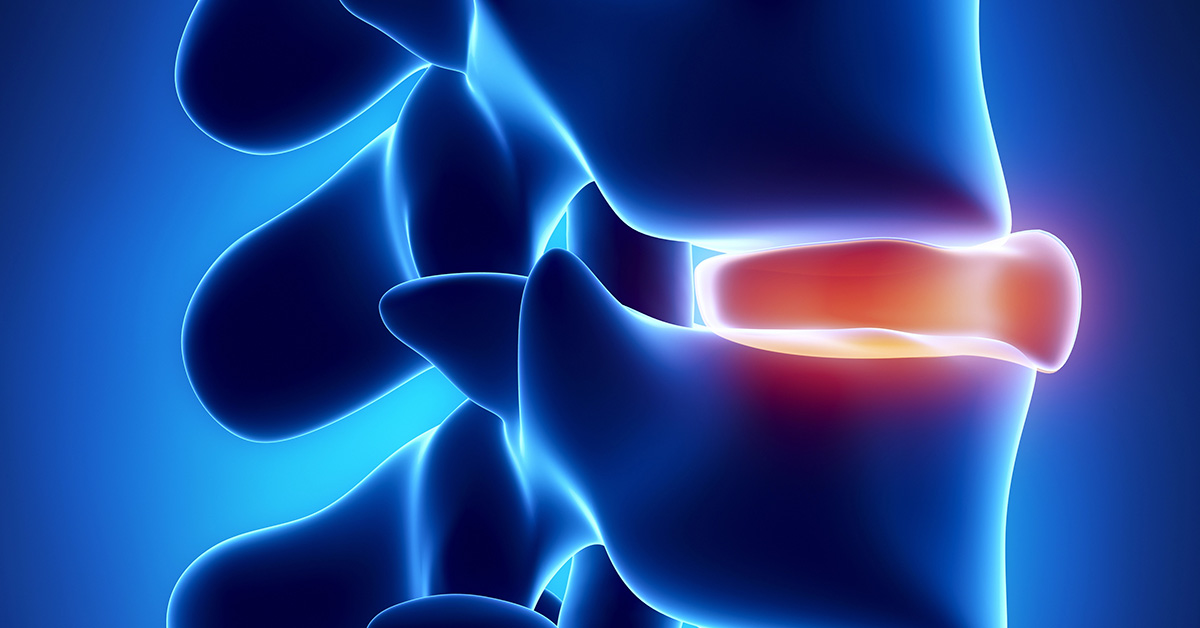
Spondylolisthesis Back Pain
Spondylolisthesis is a condition in which one of the vertebrae in the spine slips out of place onto the vertebra below it. This displacement can cause significant back pain and discomfort, as well as potential nerve compression. Understanding spondylolisthesis back pain, its causes, symptoms, and treatment options is key to managing this condition effectively.
Spondylolisthesis occurs when the alignment of the vertebrae is disrupted, causing one to move forward over the one beneath it. This condition can be caused by various factors, including congenital defects, degenerative changes due to aging, trauma, or repetitive stress on the spine. Athletes, particularly those involved in sports that require repetitive hyperextension of the spine, such as gymnastics or weightlifting, are at higher risk of developing spondylolisthesis.
Symptoms
The most common symptom of spondylolisthesis is lower back pain, which may radiate to the buttocks or thighs. This pain is often aggravated by physical activity, especially activities that involve bending, twisting, or lifting. In more severe cases, spondylolisthesis can lead to nerve compression, resulting in symptoms such as numbness, tingling, or weakness in the legs. Some individuals may also experience muscle tightness or stiffness in the lower back, making movement difficult.
Diagnosis
Diagnosing spondylolisthesis typically involves a thorough physical examination and imaging tests such as X-rays, which can reveal the extent of the vertebral slippage. In some cases, advanced imaging techniques like MRI or CT scans may be necessary to assess nerve involvement and the severity of the condition.
Treatment
Treatment for spondylolisthesis back pain depends on the severity of the vertebral slippage and the symptoms experienced. In mild cases, conservative treatments are often effective. Physical therapy is a cornerstone of treatment, focusing on strengthening the core and back muscles, improving flexibility, and stabilizing the spine. This approach helps to alleviate pain and prevent further slippage. Medications, such as nonsteroidal anti-inflammatory drugs (NSAIDs), may be prescribed to manage pain and reduce inflammation.
For individuals with more severe spondylolisthesis or those who do not respond to conservative treatments, surgical intervention may be necessary. Surgery typically involves stabilizing the affected vertebrae, often through spinal fusion, to prevent further slippage and alleviate nerve compression. The decision to undergo surgery depends on various factors, including the degree of vertebral displacement, the severity of symptoms, and the individual’s overall health.
Living with Spondylolisthesis
Living with spondylolisthesis requires a proactive approach to managing symptoms and preventing further progression of the condition. Maintaining a healthy weight, practicing good posture, and engaging in regular exercise tailored to support spinal health can significantly improve quality of life. It is also important to avoid activities that may exacerbate the condition, such as heavy lifting or high-impact sports.
In conclusion, spondylolisthesis back pain is a complex condition that can significantly impact an individual's daily life. However, with the right treatment plan and lifestyle adjustments, many people with spondylolisthesis can manage their symptoms and maintain an active lifestyle. If you suspect you have spondylolisthesis or are experiencing persistent back pain, it is important to consult with a healthcare provider for an accurate diagnosis and appropriate treatment.