
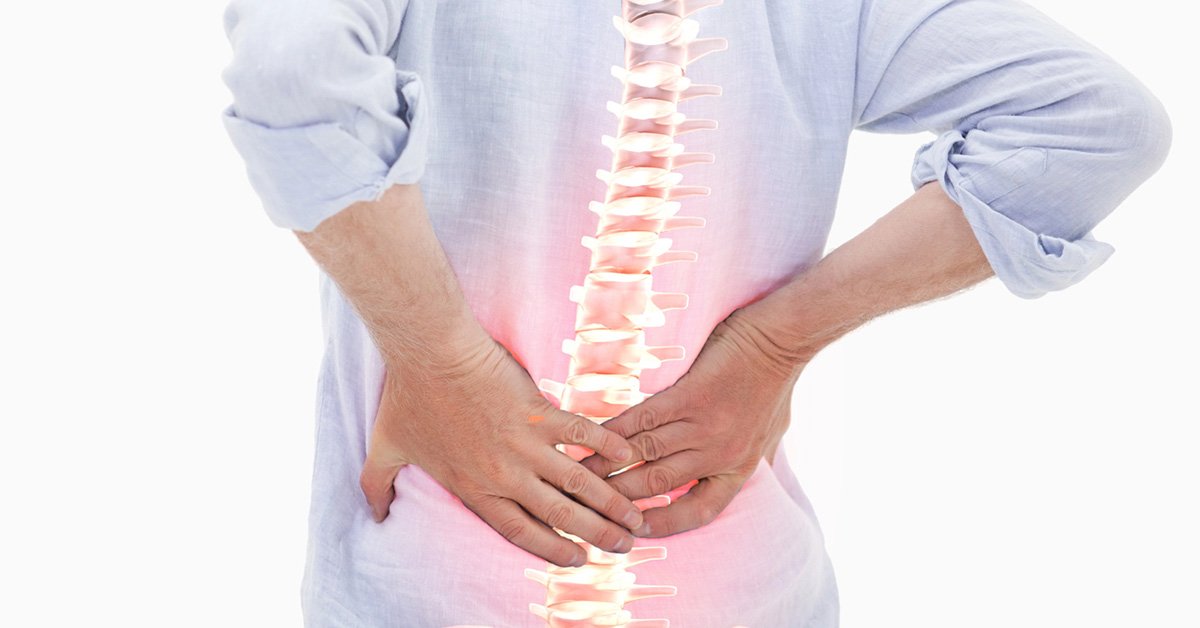
Spondylosis Back Pain
Spondylosis is a degenerative condition that affects the spine, leading to chronic back pain and stiffness. As we age, the spine naturally undergoes wear and tear, which can result in the development of spondylosis. While this condition is most common in older adults, it can also affect younger individuals due to factors such as injury, poor posture, or genetic predisposition. Understanding the causes, symptoms, and treatment options for spondylosis back pain is essential for effective management.
Spondylosis back pain is primarily caused by the degeneration of the spinal discs and joints. Over time, the discs between the vertebrae lose their water content and elasticity, reducing their ability to cushion the bones. This loss of flexibility can lead to the discs bulging or herniating, which may place pressure on nearby nerves, causing pain. Additionally, the facet joints, which connect the vertebrae, can develop arthritis as they deteriorate, further contributing to back pain and stiffness.
As the spine degenerates, the body may attempt to repair the damage by forming bone spurs, also known as osteophytes. These bony growths can narrow the spaces within the spine, leading to nerve compression and increased discomfort. The aging process, combined with factors like repetitive stress, previous injuries, and a sedentary lifestyle, can all accelerate the development of spondylosis.
Symptoms
Symptoms of spondylosis back pain can vary depending on the severity and location of the degeneration. Common symptoms include persistent back pain, stiffness, and reduced range of motion in the spine. Some individuals may also experience numbness, tingling, or weakness in the limbs if the degenerative changes compress the spinal nerves. The pain may worsen with prolonged sitting, standing, or bending, and can sometimes radiate to other areas, such as the neck or shoulders.
Diagnosis
Diagnosing spondylosis involves a comprehensive evaluation by a healthcare professional, including a review of medical history, physical examination, and imaging tests like X-rays or MRI scans. These tests help to identify the extent of the spinal degeneration and pinpoint the areas affected.
Treatment
Treatment for spondylosis back pain focuses on relieving symptoms, improving mobility, and preventing further degeneration. Conservative treatments are often the first line of defense, including physical therapy, which can help strengthen the muscles supporting the spine, improve flexibility, and alleviate pain. Medications such as nonsteroidal anti-inflammatory drugs (NSAIDs) may be prescribed to reduce inflammation and manage pain. In some cases, corticosteroid injections may be recommended to provide temporary relief by reducing inflammation around the affected nerves.
Lifestyle Modifications
Lifestyle modifications can also play a significant role in managing spondylosis. Maintaining a healthy weight, practicing good posture, and staying active with low-impact exercises like walking or swimming can help reduce the strain on the spine. For those with more severe symptoms or who do not respond to conservative treatments, surgical options may be considered. Surgery may involve removing bone spurs, decompressing the spinal nerves, or stabilizing the spine to prevent further degeneration.
Living with Spondylosis
Living with spondylosis requires ongoing management and attention to spinal health. While it can be a challenging condition, many individuals find relief through a combination of treatments and lifestyle changes. Regular follow-ups with healthcare providers and adherence to a personalized treatment plan are crucial in managing spondylosis back pain effectively.
In conclusion, spondylosis back pain is a common condition that results from the natural aging process of the spine. By understanding the causes and symptoms, and by exploring the available treatment options, individuals with spondylosis can take proactive steps to manage their condition and maintain a good quality of life. If you suspect you have spondylosis or are experiencing persistent back pain, it is important to seek medical advice for a proper diagnosis and treatment plan.